


Estonian University of Life Sciences
Estonia
2026, Tuotantoeläimet, 4 viikkoa
2026, Production animals,
4 weeks
Tämä oli ehdottomasti oma lempparini kaikista harjoitteluista. Päivissä ei ollut turhaa odottelua, vaan aamulla käytiin läpi päivän suunnitelma ja sen mukaan edettiin. Jos uusia potilaita ei tullut, opiskelijat pääsivät myös lähtemään kotiin ajoissa. Kaikki lääkärit olivat todella mukavia, opettivat aktiivisesti ja antoivat opiskelijoiden osallistua käytännön tekemiseen paljon. Ilmapiiri oli rento ja kannustava, ja kaikkia kysymyksiä uskalsi esittää ilman ongelmaa. Meidän ryhmämme kanssa lääkärit puhuivat aina englantia, mikä helpotti harjoittelua paljon. Talvella harjoitteluun kannattaa ehdottomasti varata paljon lämpimiä vaatteita — se tuli nopeasti huomattua käytännössä. Harjoittelussa pääsi tekemään runsaasti erilaisia toimenpiteitä, kuten rektalisointeja, SC-, IM- ja IV-injektioita, verinäytteiden ottoa lehmiltä ja lampailta, lehmän tuubausta sekä vasikoiden nupoutuksia puudutuksineen. Lisäksi pääsi tekemään sorkkien puhdistusta, arviointia ja tarvittaessa myös trimmausta. Näitä taitoja pääsi harjoittelemaan useita kertoja, minkä lisäksi tarjolla oli paljon muutakin käytännön tekemistä. Potilaissa oli myös välillä hieman erikoisempia eläimiä, kuten alpakoita, kanoja ja riikinkukkoja, mikä toi harjoitteluun mukavaa vaihtelua. Suosittelen tätä harjoittelua ehdottomasti kaikille — kokonaisuudessaan todella mukava ja opettavainen kokemus. Arvosanaksi antaisin 5/5 tähteä.
________________________________________
This was definitely my favorite of all the practicals. There was no unnecessary waiting during the days; each morning we went through the plan for the day and worked accordingly. If no new patients came in, students were also allowed to leave early. All the veterinarians were very kind, taught actively, and let students participate a lot in hands-on work. The atmosphere was relaxed and encouraging, and you could ask any questions without hesitation.
With our group, the vets always spoke English, which made the practical much easier. In winter, it is definitely worth bringing plenty of warm clothing — that became very clear in practice.
During the practical, we were able to perform a wide range of procedures, such as rectal examinations, SC, IM, and IV injections, blood sampling from cows and sheep, rumen tubing in cattle, and calf dehorning with anesthesia. In addition, we did hoof cleaning, evaluation, and if necessary, trimming. We were able to practice these skills multiple times, and there was also plenty of other practical work available.
There were also occasionally slightly more unusual patients, such as alpacas, chickens, and peacocks, which brought nice variety to the internship. I would definitely recommend this placement to everyone — overall it was a very enjoyable and educational experience. I would give it a 5/5 rating.
- Emma Hatunen


2026, Production animals, 4 weeks
Every day felt like a new adventure, as we could be sent to any farm across Estonia. I got to see so many different places during this practical, which made the experience incredibly memorable. The missions were very varied, ranging from dehorning a few calves to performing tuberculin tests on as many as 300 cows. Every day was unpredictable, and I really loved that aspect of it.
The veterinarians gave us a lot of responsibility and allowed us to be very hands-on. We learned how to dehorn animals and even got to assist with minor surgical procedures. Throughout the practical, I was able to refine my basic clinical skills, including taking blood samples, giving injections, trimming hooves, and dehorning.
We also worked with many different species and animals of all sizes, which made the experience even more diverse and valuable.
- Gaspard Larriaga
2026, Hevoset, 4 viikkoa
2026, Equines, 4 weeks
Harjoitteluni aikana potilaita oli yllättävän vähän, ainakin huhtikuussa. Potilastapauksista suuri osa oli ontumatutkimuksia.
Harjoittelussa pääsi kuitenkin tekemään monia käytännön taitoja. Simulaattoreilla harjoiteltiin rektalisointia, IV-kanyylin laittoa sekä nenämahaletkutusta (nasogastric tubing). Rektalisointia ja IV-kanyylin laittoa pääsi tekemään myös oikeille potilaille silloin kun tilaisuuksia tuli.
Eniten pääsi tekemään kliinisiä tutkimuksia, IV-injektioita, verinäytteiden ottoa sekä ultraamista, joko tuki- ja liikuntaelimistön tai vatsan alueelta. Kaikki opiskelijat pääsivät myös toimimaan steriilinä avustajana leikkauksessa, tekemään anestesiavalvontaa sekä aseptista pesua.
Kerran viikossa oli yövuoro. Klinikalla ei kuitenkaan tarvinnut päivystää paikan päällä, vaan opiskelijoille soitettiin, jos potilas tuli yöllä.
Iso plussa harjoittelussa oli se, että klinikalla puhuttiin paljon englantia — kiitos erityisesti ulkomaalaisille interneille ja Felipelle. Lääkärit opettivat mielellään, ja heiltä uskalsi kysyä asioita ilman pelkoa ikävistä vastauksista. Meiltä kysyttiin myös aktiivisesti, mistä aiheista haluaisimme oppia lisää, ja näistä keskusteltiin tarkemmin yhdessä.
________________________________________
During my practical, there were surprisingly few patients, at least in April. A large proportion of the cases were lameness examinations.
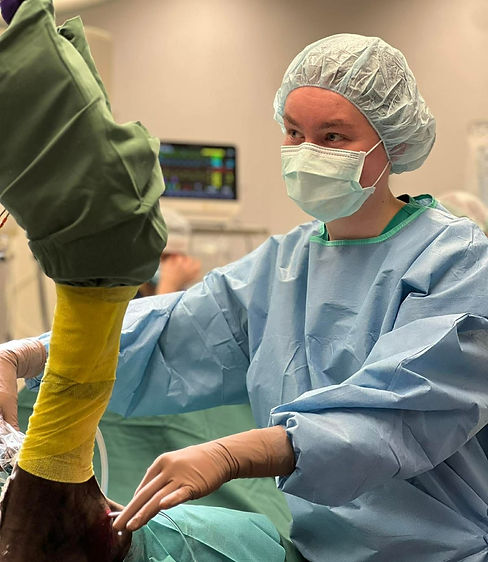
However, we still had the opportunity to practice many hands-on clinical skills. Using simulators, we practiced rectal palpation, IV catheter placement, and nasogastric tubing. We also had opportunities to perform rectal examinations and place IV catheters on real patients whenever possible.
The procedures we performed most often were clinical examinations, IV injections, blood sampling, and ultrasonography of either the musculoskeletal system or the abdomen. All students also had the chance to act as sterile assistants during surgery, monitor anesthesia, and perform aseptic surgical preparation.
Once a week, we had a night shift. However, students did not need to stay at the clinic overnight; we were called in only if a patient arrived during the night.
A major positive aspect of the practical was that a lot of English was spoken at the clinic — thanks especially to the international interns and Felipe. The veterinarians were very willing to teach, and it felt easy to ask questions without fear of negative reactions. We were also actively asked which topics we wanted to learn more about, and these subjects were then discussed in more detail together.
- Emma Hatunen
2025/2026, Pieneläimet, 5 viikkoa
2025/2026, Small animals, 5 weeks
Harjoittelukokemus riippui todella paljon siitä, kenen lääkärin mukana oli päivän aikana. Osa lääkäreistä oli todella mukavia, kommunikoi hyvin, opetti aktiivisesti ja antoi opiskelijoiden osallistua tutkimuksiin ja toimenpiteisiin.
Harjoittelussa oli selkeä hyöty siitä, jos osasi tai ymmärsi viron kieltä. Lääkärit ja hoitajat kommunikoivat keskenään paljon viroksi, ja esimerkiksi anamneesin ottaminen omistajalta tapahtui usein kokonaan viron kielellä.
Kokonaisuudessaan harjoittelu oli kuitenkin hyvä kokemus. Suosittelisin harjoittelua erityisesti niille, joilla viron kieli sujuu ja jotka haluavat viettää aikaa Tartossa.
______________________________
The practical experience depended greatly on which veterinarian you were working with during the day. Some of the veterinarians were very kind, communicated well, taught actively, and allowed students to participate in examinations and procedures.
There was also a clear advantage in knowing or understanding Estonian. The veterinarians and nurses communicated a lot with each other in Estonian, and, for example, taking the patient history from the owner was often done entirely in Estonian.
Overall, the practical was a good experience. I would especially recommend it to those who speak Estonian and who would like to spend time in Tartu.
- Emma Hatunen
